


Florida Residential Developer Insurance
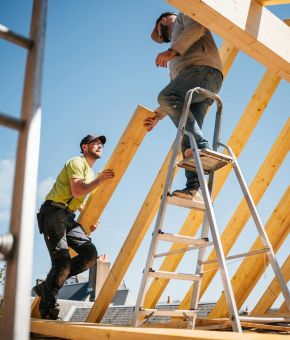
Residential development in Florida can involve millions of dollars in property, multiple contractors and subcontractors, complex construction agreements, financing requirements, severe weather exposure, and liability that can continue long after a project is completed.
For residential developers, managing those risks requires more than purchasing a standard contractor insurance policy.
Davis & Davis Insurance helps Florida residential developers, developer-builders, property owners, and construction companies evaluate insurance programs designed around the full scope of a residential development—from land acquisition and construction through completion and sale.
Whether you are developing a single-family subdivision, townhome community, build-to-rent neighborhood, condominium project, or other residential development, your insurance program should account for the size and location of the project, construction values, contractors, professional services, contractual responsibilities, and long-term liability exposure.
As an independent insurance agency, Davis & Davis Insurance can help residential developers evaluate insurance options for projects throughout Florida.
Insurance for Florida Residential Developers and Developer-Builders
Residential developers can have exposures that differ significantly from those of the general contractor constructing the project.
The developer may own the property, arrange financing, hire design professionals, contract with the general contractor, oversee development activities, sell completed homes or units, and retain certain responsibilities after construction has been completed.
Davis & Davis Insurance can assist businesses involved in:
- Single-family residential developments
- Tract-home communities
- Master-planned communities
- Townhome developments
- Build-to-rent communities
- Condominium developments
- Multifamily residential developments
- Mixed-use developments with residential components
- Developer-builder operations
- Speculative residential developments
- Phased residential projects
The appropriate insurance program depends heavily on the developer's role and contractual responsibilities.
What Insurance Does a Residential Developer Need in Florida?
There isn't a single policy called residential developer insurance that addresses every exposure.
Instead, a developer's insurance program may combine several types of coverage based on the organization and project.
Coverage considerations may include:
- Commercial General Liability
- Builders Risk Insurance
- Commercial Property
- Commercial Umbrella or Excess Liability
- Professional Liability
- Owners Protective Professional Indemnity
- Contractors Pollution Liability
- Environmental Liability
- Workers' Compensation
- Commercial Auto
- Cyber Liability
- Project-Specific Liability
- Owner Controlled Insurance Programs
- Directors and Officers Liability where applicable
Not every developer needs every policy. The objective is to determine where the developer has exposure and which risks are being transferred contractually to other parties.
General Liability Insurance for Residential Developers
Residential developers can face liability allegations even when they do not directly perform construction work.
A developer may be named in claims involving:
- Bodily injury
- Property damage
- Construction activities
- Common areas
- Site conditions
- Contractors or subcontractors
- Completed developments
- Construction defects
Developers should carefully evaluate how their commercial general liability policy addresses residential development and completed operations.
Policy exclusions involving residential construction, condominiums, townhomes, multifamily properties, construction defects, or other activities can materially affect coverage.
Simply having a general liability policy does not necessarily mean every development exposure is insured.
Builders Risk Insurance for Residential Developments
Builders risk insurance provides property protection for qualifying structures and materials during construction against covered causes of loss.
Determining who is responsible for purchasing builders risk is an important part of planning a residential development.
Depending on the construction contract, the policy may be arranged by the:
- Developer
- Project owner
- General contractor
- Developer-builder
- Other designated party
Regardless of who purchases the policy, the parties should understand who is insured and what property and interests are covered.
For larger residential developments, builders risk planning may need to account for multiple structures, construction phases, changing property values, materials stored at other locations, property in transit, model homes, and completed buildings awaiting sale or occupancy.
Builders Risk for Multi-Phase Developments
A large residential development may continue for several years.
During that period, one section of the community may consist of raw land while another has active construction and another contains completed homes.
That creates a constantly changing property exposure.
Depending on the project and available insurance program, developers may need to consider:
- Multiple construction phases
- New construction starts
- Completed structures
- Model homes
- Sales centers
- Temporary structures
- Building materials
- Off-site storage
- Property in transit
- Infrastructure
- Landscaping
- Common-area improvements
Insurance should be coordinated with the actual development schedule so changes in construction activity don't create unintended gaps.
Florida Hurricane and Wind Exposure
Weather is a major consideration for virtually any Florida residential development.
Hurricanes and tropical storms can damage partially completed buildings, construction materials, temporary structures, equipment, and completed inventory.
Developers should carefully evaluate builders risk and property insurance for provisions involving:
- Windstorm
- Named storms
- Hurricane deductibles
- Flood
- Water damage
- Debris removal
- Temporary structures
- Property stored outdoors
- Property awaiting installation
- Ordinance or law
- Delay-related exposures
Coastal projects can present additional underwriting challenges.
Developments in Miami, Fort Lauderdale, West Palm Beach, Naples, Fort Myers, Sarasota, Tampa, Jacksonville, and other coastal Florida communities may have different insurance availability, deductibles, and pricing than projects farther inland.
Completed Operations and Construction Defect Exposure
A developer's risk does not necessarily disappear when construction ends or the last home is sold.
Construction defect claims may arise later and can potentially involve the developer, general contractor, subcontractors, architects, engineers, and other parties associated with the project.
Allegations can involve:
- Water intrusion
- Roofing
- Windows and doors
- Waterproofing
- Drainage
- Foundations
- Structural components
- Plumbing
- Electrical systems
- HVAC systems
- Exterior finishes
- Balconies
- Common areas
- Subcontractor workmanship
The potential severity becomes especially important when an alleged condition is repeated throughout a subdivision, townhome community, or condominium development.
Developers should evaluate completed-operations exposure as part of the project's long-term risk strategy rather than focusing solely on insurance during active construction.
Contractor and Subcontractor Risk Transfer
Residential developers commonly transfer substantial portions of construction risk to general contractors and other project participants through contracts.
Insurance requirements may include:
- Commercial general liability
- Workers' compensation
- Commercial auto
- Umbrella or excess liability
- Professional liability
- Pollution liability
- Additional insured status
- Primary and noncontributory wording
- Waivers of subrogation
- Completed-operations requirements
- Minimum liability limits
Developers should establish procedures for verifying that required insurance remains in place throughout the applicable period.
Certificates of insurance alone should not be viewed as a substitute for carefully drafted contractual insurance requirements.
Developers should coordinate contractual risk-transfer provisions with their insurance and legal professionals.
Professional Liability Exposure for Residential Developers
Developers frequently rely on architects, engineers, surveyors, consultants, and other design professionals.
Even when these services are outsourced, a developer may still become involved in allegations arising from design errors or professional services.
Exposure may involve:
- Architectural design
- Engineering
- Surveying
- Site planning
- Drainage design
- Structural design
- Construction management
- Value engineering
- Design modifications
- Coordination between design professionals
Developers should require appropriate professional liability insurance from design firms and evaluate whether the developer itself has professional liability exposure.
Owners Protective Professional Indemnity
For larger developments, an Owners Protective Professional Indemnity (OPPI) policy may be worth evaluating.
While architects, engineers, and other design professionals generally maintain their own professional liability coverage, the limits available under those policies may not always align with the size of a major development.
An owners protective program can potentially provide additional protection to the project owner for qualifying professional liability exposures, subject to the terms of the policy.
This can be particularly relevant for high-value or complex residential developments involving multiple design professionals.
Contractors Pollution and Environmental Liability
Residential development can create environmental exposures before and during construction.
Potential issues may include:
- Contaminated soil
- Mold
- Fuel spills
- Chemical releases
- Polluted runoff
- Existing environmental conditions
- Asbestos or lead on redevelopment projects
- Underground storage tanks
- Other pollutants disturbed during construction
Standard general liability policies frequently contain pollution exclusions.
Depending on the development, contractors pollution liability or broader environmental insurance may be appropriate.
Environmental assessments performed before land acquisition can also help identify potential conditions before the developer assumes ownership.
Umbrella and Excess Liability for Residential Developers
Large residential developments can create liability exposures substantially greater than the limits provided by a standard general liability policy.
Commercial umbrella or excess liability can provide additional limits over qualifying underlying insurance.
The amount of excess liability appropriate for a developer may depend on:
- Total project value
- Number of homes or units
- Type of development
- Project location
- Construction duration
- Contractor requirements
- Lender requirements
- Contractual obligations
- Completed-operations exposure
Higher-value developments may require multiple layers of excess liability to reach the desired total limit.
Project-Specific Liability Insurance
Some residential developments may benefit from insurance dedicated to a specific project.
A project-specific liability policy can establish coverage and limits associated with one development rather than relying entirely on annual corporate insurance programs.
This may be considered for:
- Large subdivisions
- Condominium developments
- Townhome communities
- High-value projects
- Multi-year construction projects
- Joint ventures
- Projects with unique contractual requirements
The decision should be based on the project's size, structure, participants, and available insurance markets.
OCIP Insurance for Large Residential Developments
Larger residential developments may consider an Owner Controlled Insurance Program (OCIP).
An OCIP is a type of controlled insurance program—often called a wrap-up—in which the project owner or developer arranges insurance for qualifying contractors and subcontractors working on a particular project.
Instead of relying entirely on separate liability programs maintained by numerous contractors, an OCIP can potentially create more consistent coverage and limits across enrolled project participants.
Potential benefits may include:
- Centralized insurance administration
- Consistent coverage for enrolled contractors
- Dedicated project limits
- Greater control over claims and loss information
- Coordinated safety and risk management
- Reduced gaps between contractor policies
However, an OCIP requires significant planning and administration and isn't appropriate for every residential development.
Davis & Davis Insurance can help qualifying developers evaluate whether traditional insurance, project-specific coverage, or a controlled insurance program should be considered.
Builder vs. Developer: Who Should Carry the Insurance?
This is one of the most important questions to address before construction begins.
The answer depends on the project structure and construction contract.
The developer may carry certain insurance while requiring the general contractor and subcontractors to maintain other policies.
For example, the developer may arrange builders risk while requiring contractors to carry:
- General liability
- Workers' compensation
- Commercial auto
- Umbrella or excess liability
- Professional liability when applicable
- Contractors pollution liability when applicable
Contracts may also require the developer to be named as an additional insured on certain contractor policies.
The key is making sure the insurance program and construction agreements work together.
A contract requiring one party to assume a risk does not automatically mean that party's insurance policy covers the obligation.
Insurance for Build-to-Rent Developments in Florida
Florida's build-to-rent communities create an interesting combination of construction and long-term property exposures.
Unlike a traditional subdivision where homes are sold individually, the developer may retain ownership of an entire community after construction.
That means the insurance strategy eventually needs to transition from construction risk to operating property risk.
During development, coverage may involve builders risk, liability, contractors, and construction-related exposures.
As buildings are completed and occupied, the insurance needs can change to include property, premises liability, loss of rental income, equipment breakdown, cyber liability, and other exposures associated with operating a rental community.
Planning that transition before occupancy begins can help prevent coverage gaps.
Insurance for Florida Subdivision Developers
Subdivision development presents another distinctive set of risks.
A developer may have responsibility for land, roads, drainage, utilities, common areas, landscaping, model homes, sales centers, and numerous homes in various stages of construction.
A single development may simultaneously contain:
- Vacant land
- Site work
- Infrastructure
- Homes under construction
- Completed unsold homes
- Model homes
- Occupied homes
- Common areas
The insurance program should evolve as the project moves through these stages.
Insurance for Florida Condominium Developers
Condominium developments can introduce additional exposures involving shared building systems, common elements, multiple unit owners, associations, high construction values, and significant completed-operations exposure.
Davis & Davis Insurance has a dedicated resource addressing insurance considerations for contractors and developers involved in Florida condominium construction.
Learn more about Florida Condominium Construction Insurance.
Insurance for Florida Home Builders
Developers that also serve as the builder have another layer of exposure.
Production and tract-home builders may have dozens of homes under construction simultaneously while managing extensive subcontractor relationships and significant completed-operations exposure.
Learn more about Florida Home Builder Insurance for production, tract, subdivision, spec, and residential builders.
What Does Residential Developer Insurance Cost in Florida?
Insurance costs vary significantly because no two developments present exactly the same exposure.
Underwriters may consider:
- Type of development
- Total project value
- Number of homes or units
- Construction type
- Project location
- Coastal proximity
- Construction duration
- Number of phases
- Developer experience
- General contractor experience
- Subcontractor controls
- Prior losses
- Professional services
- Environmental exposure
- Completed-operations exposure
- Builders risk values
- Required liability limits
A 25-home inland subdivision and a $100 million coastal condominium development require very different insurance strategies.
When Should a Developer Start the Insurance Process?
Ideally, insurance planning should begin well before construction starts.
For larger projects, waiting until closing or groundbreaking can limit the time available to evaluate insurance markets and address contractual problems.
Early insurance planning allows the developer to evaluate:
- Construction contract requirements
- Builders risk responsibility
- Contractor insurance requirements
- Professional liability requirements
- Environmental exposures
- Desired liability limits
- Lender requirements
- Project-specific insurance
- OCIP feasibility
- Hurricane and wind exposure
It also provides time to address insurance requirements with contractors and design professionals before agreements are finalized.
Why Florida Residential Developers Choose Davis & Davis Insurance
Residential development involves more than insuring a building.
It involves coordinating property, construction, liability, professional, environmental, contractual, and long-term exposures across multiple parties.
Davis & Davis Insurance works with Florida developers to understand the complete project rather than simply quoting an individual policy.
As an independent insurance agency, we can help evaluate available insurance markets and coverage structures based on the development and the role your company plays in it.
Whether you're planning a subdivision, townhome community, condominium development, build-to-rent neighborhood, or another residential project, our goal is to help identify potential exposures before they become problems.
Florida Residential Developer Insurance FAQ
What insurance does a residential developer need in Florida?
Depending on the development, coverage may include general liability, builders risk, umbrella or excess liability, professional liability, environmental or pollution liability, property insurance, and project-specific coverage. Larger projects may also consider an Owner Controlled Insurance Program.
Does the developer or general contractor buy builders risk insurance?
Either may purchase builders risk depending on the construction contract and project structure. The important issue is establishing responsibility before construction begins and confirming that the appropriate entities and property interests are covered.
Does a developer need insurance if the general contractor is insured?
Yes. A contractor's insurance does not necessarily protect every exposure of the developer. Developers should maintain insurance appropriate for their own operations while also establishing contractual insurance requirements for contractors and other project participants.
What is an OCIP in residential construction?
An Owner Controlled Insurance Program is a centralized insurance program arranged by a project owner or developer for qualifying contractors and subcontractors working on a particular project. OCIPs are typically considered for larger projects where centralized coverage and risk management may be advantageous.
Can Davis & Davis insure build-to-rent developments in Florida?
Davis & Davis Insurance can evaluate insurance options for qualifying build-to-rent projects. These developments require special attention because the exposure transitions from construction to long-term ownership and property management as homes are completed and occupied.
Talk With Davis & Davis About Your Florida Residential Development
The best time to address a project's insurance strategy is before construction begins—not after contracts have been signed and work is underway.
Davis & Davis Insurance works with residential developers, developer-builders, contractors, and project owners throughout Florida, including developments in Miami, Fort Lauderdale, West Palm Beach, Naples, Fort Myers, Sarasota, Tampa, Orlando, Jacksonville, and surrounding communities.
Whether you're planning a single-family subdivision, townhome community, build-to-rent neighborhood, condominium project, or larger residential development, we can help you evaluate the insurance exposures associated with the project.
Contact Davis & Davis Insurance to discuss Florida residential developer insurance, builders risk, general liability, excess liability, professional liability, environmental coverage, project-specific insurance, and controlled insurance programs.