


Mixed-Use Property Insurance in Florida
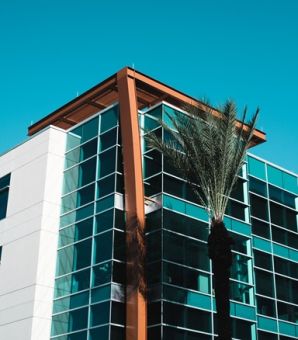
Mixed-use properties can be attractive investments, combining multiple sources of income within a single building or development. But combining residential, retail, office, restaurant, or other commercial occupancies can also create insurance exposures that are more complicated than those of a traditional apartment building or commercial property.
Davis & Davis Insurance helps Florida property owners, investors, developers, and property managers find insurance solutions for mixed-use properties throughout the state.
Whether you own a building with retail space on the first floor and apartments above, a property combining offices and residential units, or a larger mixed-use development with several types of tenants, our independent insurance agency can help you evaluate the risks and explore appropriate coverage options.
What Is Mixed-Use Property Insurance?
Mixed-use property insurance is designed to address properties that contain more than one type of occupancy.
A common example is a building with commercial tenants on the ground floor and residential apartments or condominiums on the upper floors. Other properties may combine office, retail, restaurant, residential, storage, or other uses.
These properties can be more complicated to insure because the risks associated with each occupancy may be very different.
A professional office beneath apartments, for example, creates a different risk profile than a restaurant, bar, or commercial kitchen located beneath residential units.
Rather than treating every mixed-use building the same, coverage should reflect the property's actual tenants, construction, location, values, and operations.
What Types of Mixed-Use Properties Can Be Insured?
Mixed-use properties come in many configurations. Davis & Davis Insurance can help evaluate insurance options for properties such as:
- Retail stores with apartments above
- Office and residential buildings
- Restaurant and residential properties
- Retail and office combinations
- Apartment buildings with ground-floor commercial tenants
- Condominium developments with commercial units
- Residential properties with professional office space
- Multi-building mixed-use developments
- Urban infill and downtown mixed-use properties
- Commercial properties incorporating residential units
The exact occupancy matters. Insurance companies may view a building with professional offices very differently from one containing restaurants, bars, commercial kitchens, or other higher-risk tenants.
Insurance Coverage for Florida Mixed-Use Buildings
A mixed-use property insurance program may involve several types of coverage depending on the property and ownership structure.
Commercial property insurance can help protect the building itself against covered losses.
Coverage considerations may include the building structure, permanently installed fixtures and equipment, common areas, and other property owned by the insured.
It is important to establish an appropriate building value based on the potential cost to repair or rebuild the property following a major loss.
General Liability Insurance
Property owners can face liability claims when tenants, customers, vendors, delivery drivers, contractors, or visitors are injured on the premises.
General liability insurance can provide protection against certain claims involving bodily injury and property damage for which the property owner is legally responsible.
Mixed-use properties can generate substantial foot traffic because both residents and commercial customers may use the property.
Loss of Rental Income
A major covered property loss can do more than damage the building. It can also interrupt rental income.
Business income or loss-of-rents coverage may help replace qualifying lost rental income while damaged portions of the property are being repaired following a covered loss.
For a mixed-use property generating income from both residential and commercial tenants, this can be an important part of the overall insurance program.
Commercial Umbrella Insurance
Commercial umbrella insurance can provide additional liability protection above qualifying underlying policies.
Owners of larger mixed-use properties, properties with substantial pedestrian traffic, or portfolios containing multiple locations may want to consider higher liability limits.
Equipment Breakdown Coverage
Mixed-use buildings can depend on HVAC systems, electrical equipment, elevators, boilers, pumps, and other mechanical systems.
Equipment breakdown coverage can provide protection against certain losses involving covered mechanical or electrical equipment that may not be addressed by standard property coverage alone.
Ordinance or Law Coverage
Older buildings can present another challenge.
If a covered loss requires substantial reconstruction, current Florida building codes may require portions of the property to be upgraded even if those portions weren't directly damaged.
Ordinance or law coverage can be particularly important when insuring older mixed-use buildings.
Why Are Mixed-Use Properties More Complicated to Insure?
One of the biggest issues is occupancy.
An insurance company isn't evaluating only the building. It also wants to understand what is happening inside it.
Consider two otherwise similar buildings:
One contains apartments above accounting and professional offices.
The other contains apartments above restaurants with commercial kitchens.
Those properties can present very different fire, liability, equipment, customer-traffic, and property exposures.
Underwriters may consider:
- Percentage of residential versus commercial occupancy
- Types of commercial tenants
- Restaurants or commercial cooking
- Building age and construction
- Roof age and condition
- Electrical, plumbing, and HVAC systems
- Fire protection and sprinkler systems
- Number of residential units
- Square footage
- Building replacement cost
- Claims history
- Vacancy
- Property management
- Coastal location
- Wind exposure
Providing accurate information about the property and its tenants is essential when seeking coverage.
Florida Weather Creates Additional Mixed-Use Property Risks
Florida property owners also have exposures that may not be as significant in other states.
Hurricanes, windstorms, tropical storms, heavy rain, lightning, and flooding can all affect commercial and residential properties.
Depending on the location and insurance program, owners may need to evaluate windstorm coverage, hurricane deductibles, flood insurance, and other catastrophe-related protection.
Flood damage is generally not included in standard commercial property insurance, making flood exposure an important separate consideration for many Florida properties.
Coastal properties may present additional underwriting challenges.
Replacement Cost Matters
One of the most important decisions when insuring a mixed-use building is establishing an appropriate property value.
Construction costs can change significantly over time. Mixed-use buildings may also contain features that make reconstruction more complicated than a basic commercial building, including residential kitchens and bathrooms, storefronts, elevators, fire protection systems, common areas, and specialized tenant improvements.
Insuring a property based solely on its purchase price or market value can result in an inaccurate estimate of what it would actually cost to rebuild.
Davis & Davis Insurance can help property owners review building information and insurance requirements when evaluating coverage.
Insurance for Mixed-Use Property Owners and Real Estate Investors
Mixed-use property insurance isn't limited to owners of a single building.
Real estate investors may own multiple commercial, residential, or mixed-use properties throughout Florida.
As a portfolio grows, insurance needs can change considerably. Property owners may need to coordinate building coverage, liability limits, umbrella protection, loss-of-rents coverage, and other policies across several locations.
Working with an independent insurance agency can make it easier to evaluate the portfolio as a whole rather than treating each property as an unrelated insurance purchase.
Mixed-Use Property Insurance for Florida Developers
Insurance needs can begin before a mixed-use development is completed.
Developers constructing or substantially renovating mixed-use properties may need builders risk insurance during construction before transitioning to permanent property coverage once the project is completed and occupied.
Other construction-related insurance requirements can also apply depending on the project structure, contractors, lenders, and ownership entities.
Planning for the transition from construction coverage to permanent insurance before completion can help prevent unnecessary coverage gaps.
Mixed-Use Condominium Properties
Mixed-use condominium developments can create additional insurance considerations because responsibility may be divided among the condominium association, individual residential unit owners, commercial unit owners, and other entities.
The condominium documents and ownership structure can affect who is responsible for insuring different portions of the property.
Florida condominium properties should be evaluated individually to determine how the association's insurance responsibilities interact with commercial and residential unit ownership.
How Much Does Mixed-Use Property Insurance Cost in Florida?
There isn't a standard price for mixed-use property insurance.
Premiums can vary significantly based on:
- Property location
- Building value
- Construction type
- Building age
- Roof age
- Commercial tenant types
- Residential unit count
- Square footage
- Fire protection
- Claims history
- Wind exposure
- Flood exposure
- Deductibles
- Coverage limits
- Vacancy and occupancy
Properties containing higher-risk commercial operations may cost more to insure than otherwise similar buildings occupied by lower-risk businesses.
The best way to determine cost is to evaluate the specific building, its occupants, and the coverage required.
Why Work With Davis & Davis Insurance?
Mixed-use properties don't always fit neatly into a standard commercial property insurance program.
That's where working with an independent insurance agency can be particularly valuable.
Davis & Davis Insurance can evaluate your property's characteristics and approach multiple insurance markets to explore coverage options appropriate for the risk.
We work with property owners, investors, developers, and businesses throughout Florida and understand that protecting real estate requires more than simply finding the lowest premium.
Our goal is to help you understand your options and build an insurance program around the property you actually own.
Mixed-Use Property Insurance Throughout Florida
Davis & Davis Insurance can help property owners evaluate mixed-use building insurance throughout Florida, including properties in Miami, Tampa, Orlando, Jacksonville, Sarasota, St. Petersburg, Fort Lauderdale, Naples, and surrounding communities.
Whether you own one mixed-use building or a growing real estate portfolio, we can help you explore insurance options based on your property's specific exposures.
Get a Florida Mixed-Use Property Insurance Quote
Mixed-use properties combine the opportunities of residential and commercial real estate—but they also combine their risks.
If you own, purchase, develop, or manage a mixed-use property in Florida, contact Davis & Davis Insurance to discuss your building, tenants, coverage requirements, and available insurance options.
We'll help you evaluate Mixed-Use Property Insurance in Florida and find coverage designed around your property.
Frequently Asked Questions About Mixed-Use Property Insurance in Florida
What is considered a mixed-use property for insurance purposes?
A mixed-use property generally contains more than one occupancy type, such as residential apartments combined with retail stores, restaurants, offices, or other commercial spaces. The exact classification can vary by insurance company.
Can I insure apartments and commercial space under one property policy?
Potentially, depending on the property's ownership structure, occupancy, and insurance carrier. Mixed-use properties should be reviewed individually because the combination of residential and commercial exposures can affect eligibility and coverage.
Are restaurants harder to insure in a mixed-use building?
Restaurants can create additional underwriting considerations because of commercial cooking, fire exposure, customer traffic, and other risks. A mixed-use building containing a restaurant may therefore be evaluated differently from one containing lower-risk office or retail tenants.
Does mixed-use building insurance cover hurricanes?
Commercial property insurance may cover certain wind-related losses, but coverage, deductibles, exclusions, and limitations vary. Florida property owners should specifically review hurricane, windstorm, and flood exposures rather than assuming all storm-related damage is covered.
Do I need flood insurance for a mixed-use property in Florida?
Flood damage is generally excluded from standard commercial property policies. Property owners with flood exposure should evaluate separate flood insurance regardless of whether a lender requires it.