


High Risk Car Insurance Florida
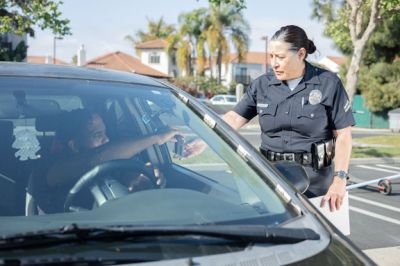
Being considered a high-risk driver can make finding affordable car insurance in Florida more difficult — but it doesn't mean you are out of options.
Davis & Davis Insurance helps drivers compare high risk car insurance in Florida when accidents, traffic violations, insurance lapses, serious driving offenses, or other circumstances make standard auto insurance difficult to obtain.
As an independent insurance agency, we aren't limited to one insurance company. We can review your situation and compare available coverage from insurers that may be more comfortable working with higher-risk drivers.
Whether you've recently been declined by an insurance company, experienced a significant rate increase, need an SR-22 or FR-44, or simply aren't qualifying for the coverage you used to have, Davis & Davis Insurance can help you explore your options.
What Is High Risk Car Insurance?
High-risk car insurance isn't necessarily a specific type of insurance policy.
Instead, the term generally describes auto insurance for drivers that insurance companies consider more likely to have a claim or present other underwriting concerns.
A driver who qualifies for a preferred insurance program may have access to more companies and lower rates. A driver considered high risk may have fewer available insurers or need coverage through a company specializing in higher-risk or non-standard drivers.
The good news is that insurance companies don't all evaluate risk exactly the same way.
Being considered high risk by one insurer doesn't necessarily mean another company will evaluate your situation identically.
What Can Make You a High-Risk Driver in Florida?
There isn't one universal definition of a high-risk driver. Insurance companies establish their own underwriting guidelines.
However, factors that can make obtaining standard auto insurance more difficult may include:
-
Multiple speeding tickets or moving violations
-
One or more at-fault accidents
-
Reckless driving violations
-
DUI or other serious driving offenses
-
Driving without required insurance
-
License suspensions or revocations
-
An SR-22 or FR-44 requirement
-
A lapse in previous auto insurance
-
Previous policy cancellation or nonrenewal
-
Multiple insurance claims
-
Limited driving or insurance history
-
A combination of several risk factors
The severity and age of these incidents can also matter.
A driver with one minor ticket several years ago presents a very different insurance situation from someone with multiple recent accidents and violations.
Can High-Risk Drivers Get Car Insurance in Florida?
Yes. Being classified as high risk doesn't necessarily mean you can't obtain car insurance.
It may mean that fewer insurance companies are willing to offer coverage or that the coverage available is more expensive.
This is where shopping becomes particularly important.
Insurance companies use different underwriting rules and rating methods. One insurer may decline a particular driver while another may offer coverage. Even when several companies will insure the same driver, their premiums can differ considerably.
Davis & Davis Insurance can help you identify available insurers and compare your options rather than relying on a quote from only one company.
Is High-Risk Car Insurance the Same as Non-Standard Auto Insurance?
The terms are closely related, but they don't mean exactly the same thing.
High risk generally describes the driver or the characteristics of the risk, while non-standard auto insurance generally describes insurance programs or markets designed for drivers who may not qualify for standard or preferred coverage.
A driver with several accidents, serious violations, a lapse in insurance, or other underwriting concerns may be considered high risk and obtain coverage through the non-standard insurance market.
If you're having difficulty qualifying for traditional coverage, learn more about our Non-Standard Auto Insurance in Florida options.
High-Risk Insurance After Accidents or Traffic Violations
Accidents and traffic violations are among the most common reasons drivers begin searching for high-risk auto insurance.
A single minor violation doesn't necessarily make someone high risk. However, multiple tickets, at-fault accidents, reckless driving, or a combination of incidents can significantly affect insurance eligibility and pricing.
Some insurance companies may increase your premium substantially. Others may decide that your driving record no longer meets their underwriting guidelines.
If accidents or violations are the primary reason you're having difficulty finding coverage, visit our Car Insurance With a Bad Driving Record in Florida page for more information.
High-Risk Insurance With an SR-22 or FR-44
Some drivers have an additional complication: a financial-responsibility filing requirement.
Florida drivers may be required to have an SR-22 or FR-44 following certain driving, insurance, or licensing issues.
An SR-22 or FR-44 isn't itself an insurance policy. It is a certificate demonstrating that you carry insurance meeting the applicable financial-responsibility requirements.
Not every high-risk driver needs one.
However, if you've specifically been notified that an SR-22 or FR-44 is required, you need an insurance company capable of accommodating the appropriate filing.
Learn more on our Florida SR-22 & FR-44 Insurance page.
What If I Need High-Risk Insurance but Don't Own a Car?
Some higher-risk drivers need insurance even though they don't currently own a vehicle.
For example, you may have sold your vehicle following a license suspension or serious driving violation but still need to maintain insurance or satisfy a financial-responsibility requirement.
Depending on your circumstances, non-owner car insurance may be an option.
Non-owner coverage is intended for eligible drivers who don't own a vehicle and should not be used as a substitute for properly insuring a vehicle you own.
Visit our Non-Owner Car Insurance Florida page to learn more about how this coverage works.
What If an Insurance Company Has Declined Me?
Being declined by one insurance company doesn't necessarily mean every insurer will decline you.
Insurance companies differ considerably in the types of drivers they are willing to insure.
Some companies primarily seek drivers with preferred risk characteristics. Others may be more comfortable with drivers who have accidents, violations, previous insurance lapses, or other underwriting concerns.
If you've been declined, don't assume you are uninsurable.
Davis & Davis Insurance can review the reason you're having difficulty obtaining coverage and determine whether other available insurance companies may be willing to consider your situation.
What If My Current Insurance Company Won't Renew My Policy?
A nonrenewal can create an urgent need to find replacement coverage.
If your insurer has notified you that your policy won't be renewed, begin shopping before the existing policy expires.
Waiting until after the expiration date can result in an insurance lapse, potentially making your situation even more difficult.
When contacting Davis & Davis Insurance, let us know when your existing coverage expires and why the policy is being nonrenewed, if that information is available.
That can help us identify appropriate replacement options.
How Much Does High Risk Car Insurance Cost in Florida?
There isn't a single price for high-risk car insurance.
Premiums depend on both the driver's circumstances and the insurance company's rating methodology.
Factors that may affect your rate include:
-
Type and number of driving violations
-
At-fault accidents
-
DUI or serious driving offenses
-
Claims history
-
Previous insurance history
-
Lapses in coverage
-
SR-22 or FR-44 requirements
-
Age and driving experience
-
Vehicle
-
Where the vehicle is garaged
-
Annual mileage
-
Coverage limits
-
Deductibles
High-risk drivers often pay more than drivers who qualify for preferred insurance programs, but that doesn't mean every insurer will charge the same amount.
The difference between insurance companies can make comparing coverage especially worthwhile.
How Can I Lower the Cost of High-Risk Auto Insurance?
There is no shortcut that immediately removes accidents or violations from your driving history, but there are steps that may help control insurance costs.
Start by comparing multiple insurance companies rather than assuming your current quote represents the entire market.
Other considerations can include:
-
Maintaining continuous auto insurance
-
Avoiding additional accidents and violations
-
Choosing appropriate deductibles
-
Reviewing optional coverage carefully
-
Asking about discounts for which you qualify
-
Making sure your vehicle and usage information are accurate
-
Periodically reviewing your insurance as your driving history changes
Be careful about reducing important coverage solely to lower your premium. The cheapest policy isn't necessarily the best value if it doesn't provide adequate protection after an accident.
How Long Will I Be Considered a High-Risk Driver?
Being considered high risk isn't necessarily permanent.
Accidents and violations become older. Financial-responsibility requirements can eventually be satisfied. Maintaining continuous insurance can improve your insurance history, and avoiding additional driving problems can strengthen your position over time.
Exactly when additional insurance options become available will depend on your driving history and individual insurance companies' underwriting requirements.
That's why it can be worthwhile to periodically review your policy rather than remaining with the same high-risk insurance program indefinitely.
Can I Eventually Return to Standard Car Insurance?
Many drivers can.
Someone who needs non-standard or high-risk insurance today may eventually qualify for additional insurance companies or preferred programs.
Maintaining a clean driving record going forward is particularly important.
As older incidents become less significant to insurers, Davis & Davis Insurance can review your coverage and determine whether other companies or programs have become available.
Our goal isn't simply to find coverage for you today. We can continue helping you evaluate your insurance as your circumstances change.
Why Work With an Independent Insurance Agency?
High-risk auto insurance is an area where working with an independent agency can be especially useful.
If you contact an insurance company directly and it declines your application, your search starts over with another company.
Davis & Davis Insurance is an independent Florida insurance agency, which allows us to explore coverage through multiple available insurers.
We'll review the circumstances making insurance difficult to obtain, help identify companies that may be appropriate for your situation, and compare available coverage and pricing.
Get a High Risk Car Insurance Quote in Florida
If accidents, tickets, a DUI, insurance lapse, license issue, nonrenewal, or another circumstance has made car insurance difficult to obtain or afford, let Davis & Davis Insurance help.
We assist high-risk drivers throughout Florida, including Sarasota, Bradenton, Tampa, St. Petersburg, Orlando, Jacksonville, Miami, Naples and surrounding communities.
Contact Davis & Davis Insurance today to discuss your situation and request a high risk car insurance quote in Florida.
Frequently Asked Questions About High Risk Car Insurance in Florida
What qualifies someone as a high-risk driver in Florida?
There isn't one definition used by every insurance company. Multiple accidents, traffic violations, serious driving offenses, insurance lapses, license problems, claims history, and other underwriting factors can cause an insurer to consider someone a higher risk.
Can I get car insurance after being declined by another company?
Potentially, yes. Insurance companies have different underwriting guidelines. Being declined by one insurer doesn't necessarily mean another company won't offer coverage.
Is high-risk car insurance more expensive?
High-risk drivers often pay higher premiums because insurers consider them more likely to generate a claim or otherwise present additional underwriting risk. However, rates can vary significantly between insurance companies.
Do all high-risk drivers need an SR-22 or FR-44?
No. An SR-22 or FR-44 is required only in certain financial-responsibility situations. Accidents, tickets, or higher insurance premiums do not automatically mean you need one of these filings.
Can I get high-risk insurance without owning a vehicle?
Depending on your circumstances, non-owner insurance may be available if you don't own a vehicle but need liability coverage or must satisfy certain financial-responsibility requirements.
How long does high-risk car insurance last?
There isn't a specific period that applies to everyone. Your eligibility for standard insurance can change as accidents and violations become older, filing requirements end, and your insurance and driving history improve.
What's the difference between high-risk and non-standard car insurance?
High risk generally describes the driver or risk characteristics. Non-standard insurance generally refers to insurance programs serving drivers who may not qualify for standard or preferred coverage. The two categories frequently overlap.
Can an independent insurance agency help high-risk drivers?
An independent agency can compare options from multiple available insurance companies rather than offering coverage from only one carrier. This can be particularly useful when underwriting requirements limit the number of insurers willing to provide coverage.